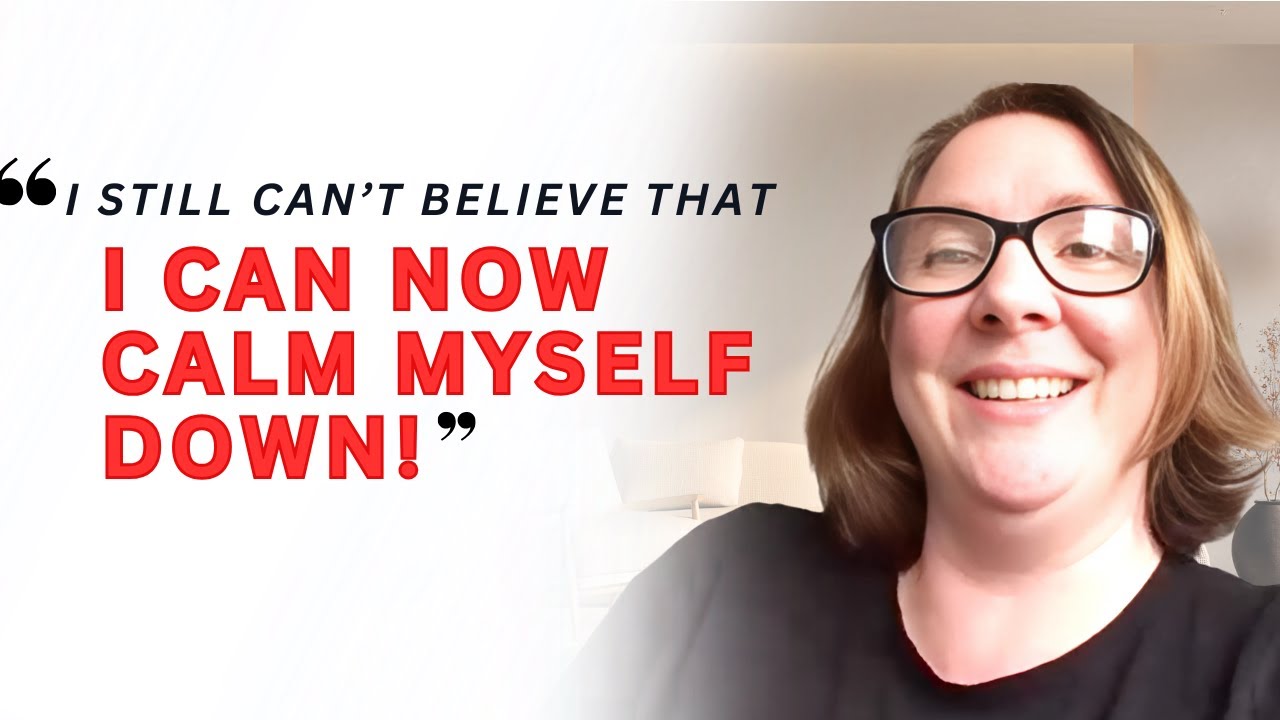
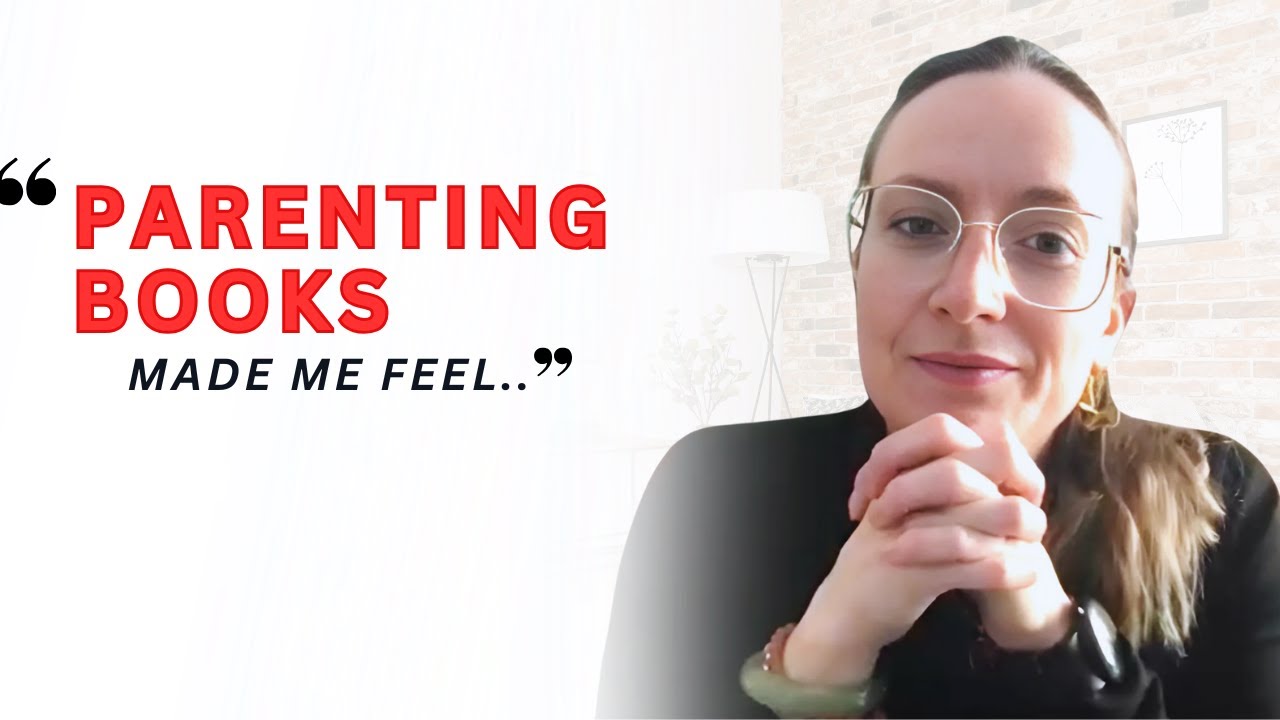
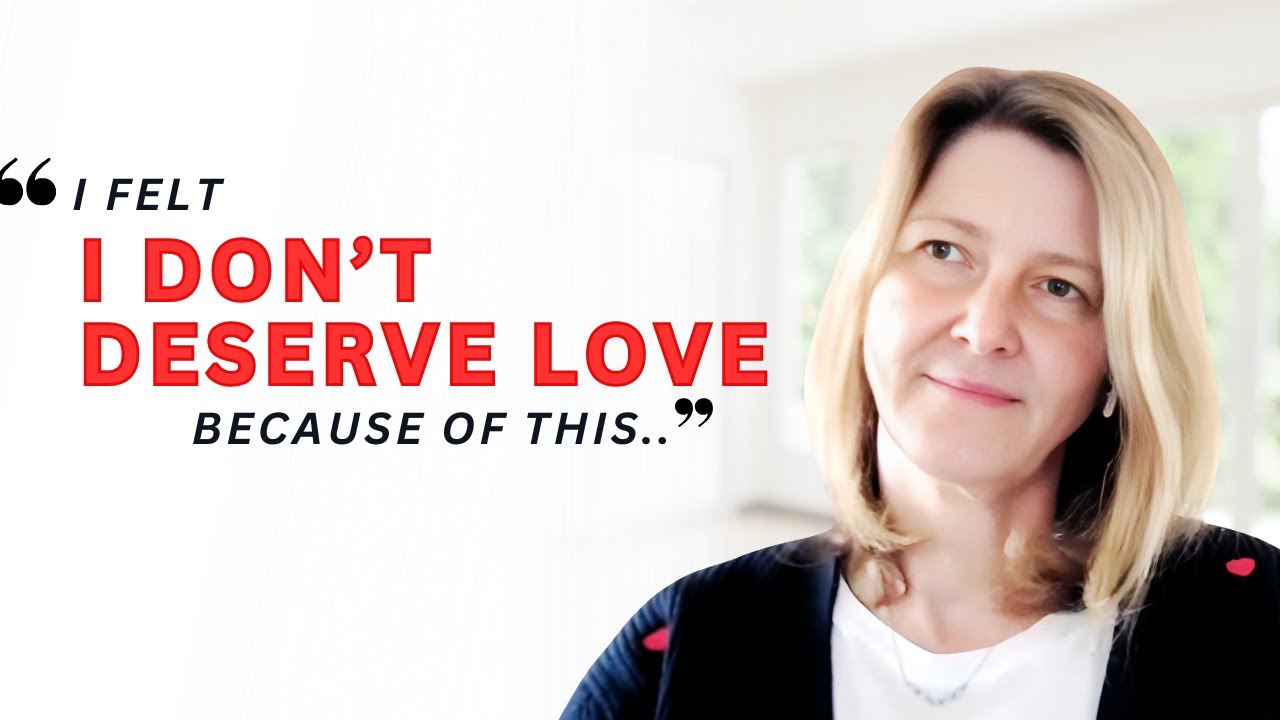
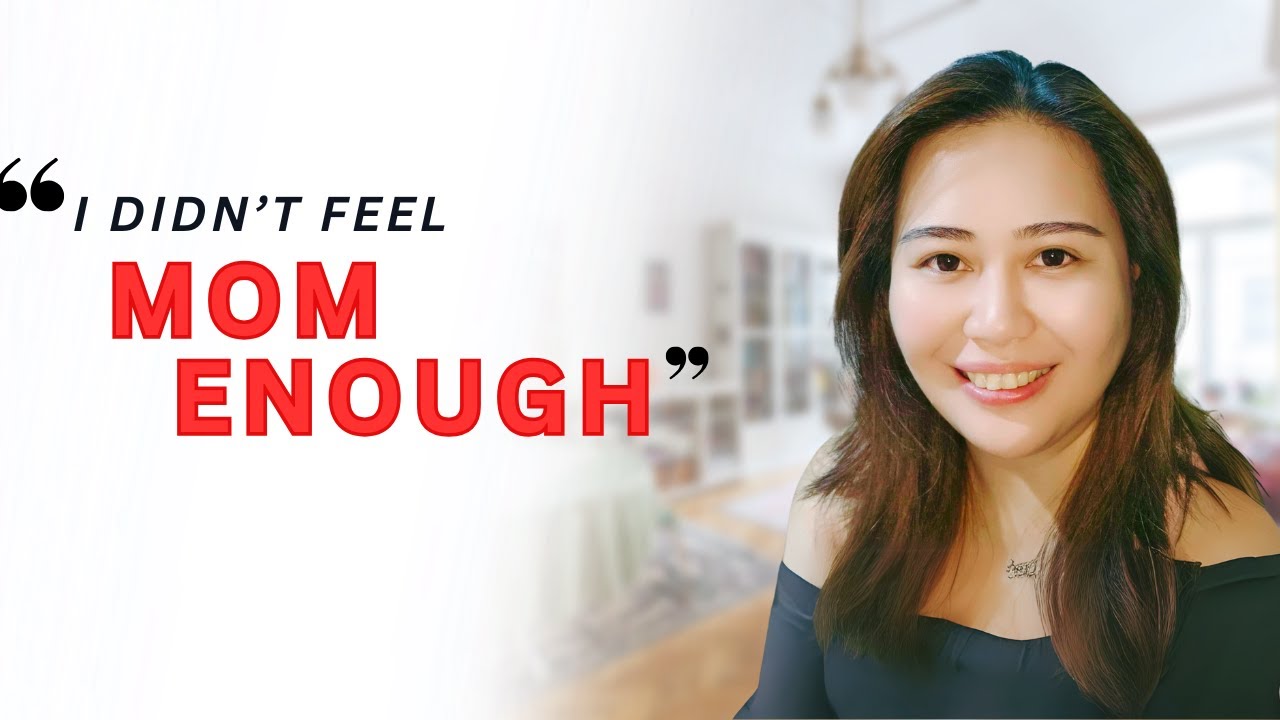
client results
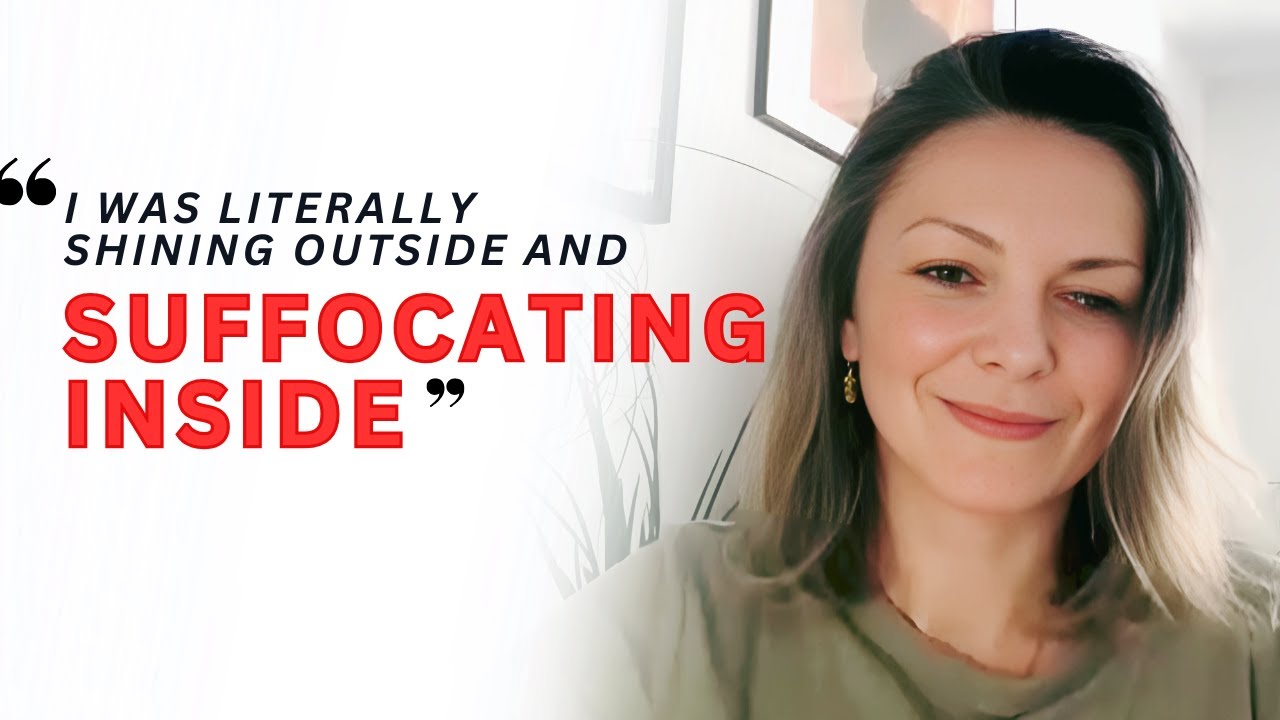
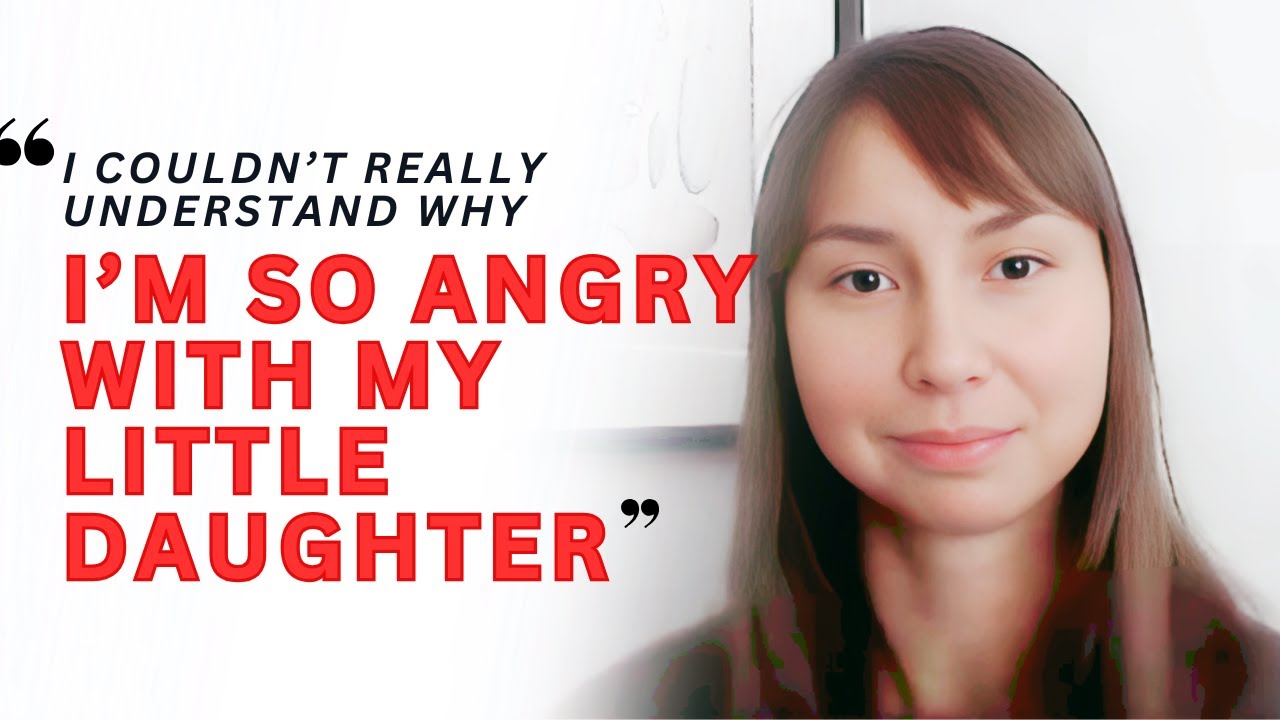
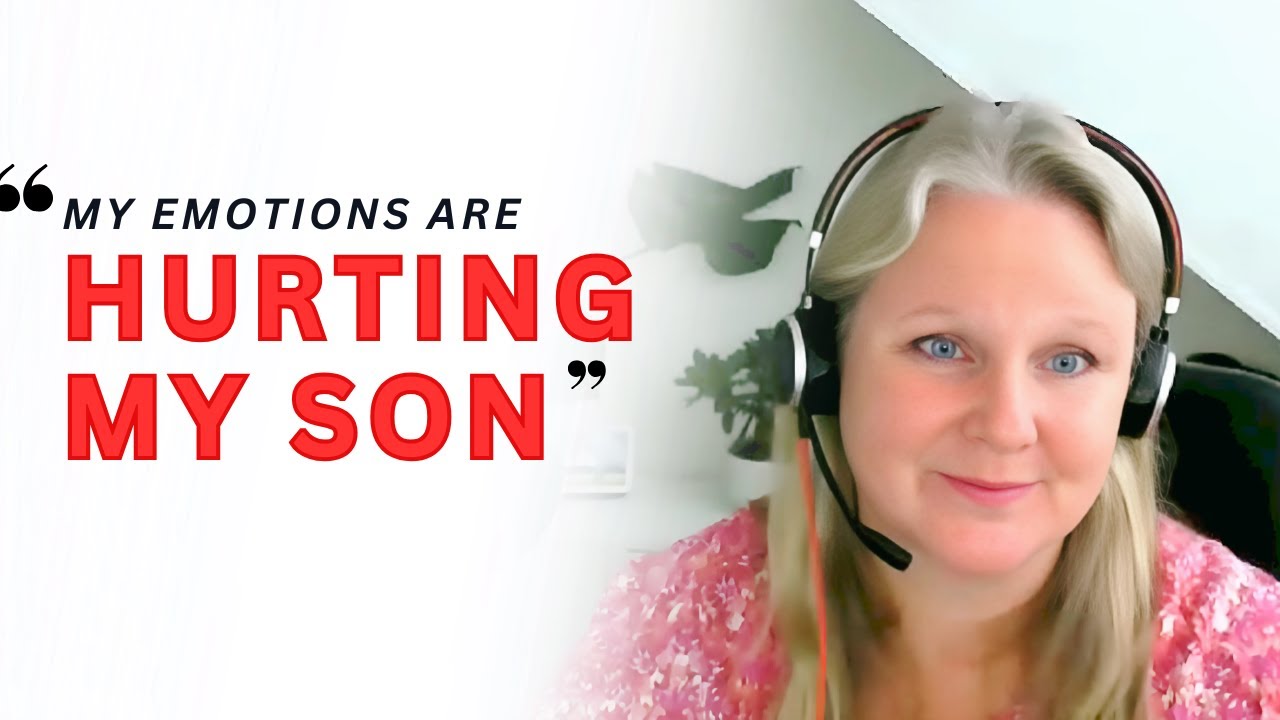
These are real experiences of people learning to relate differently to stress, emotions, and pressure.
Some came in feeling overwhelmed.
Others were already high-functioning but exhausted.
Some had difficult childhoods.
Others didn’t.
What they have in common is not where they started,
but what became possible once they stopped trying to “fix” themselves
and started working with the patterns underneath their reactions.
What change often looks like
For most people, change doesn’t arrive as a dramatic breakthrough.
It shows up quietly.
It looks like pausing for half a second before reacting, where before there was none.
Like noticing tension rise and not being pulled all the way into it.
Like setting a boundary without explaining, collapsing, or exploding.
Some parents describe fewer yelling episodes.
Others notice they recover faster when they do lose their calm.
Many say the biggest shift is internal: less guilt, less self-judgment, more choice.
Relationships change, too, but not because children suddenly “behave better.”
They change because the parent is no longer driven by the same automatic reactions under pressure.
There is no single version of progress here.
What matters is not perfection, but more space.
More room between stimulus and response,
more capacity to stay present when things don’t go as planned.
That’s what these experiences reflect.
Different people. Different paths. Different kinds of change.
The people you’ll hear from here didn’t all start in the same place.
Some came in feeling completely overwhelmed.
Others were already highly capable, reflective, and “doing well” on the outside.
Some had difficult childhoods.
Others didn’t relate to that story at all.
What they share is not a single background or outcome,
but the experience of working with patterns that used to take over under pressure.
These conversations aren’t testimonials in the traditional sense.
They’re reflections on what shifted, what didn’t, and how change actually unfolded over time.
There’s no one right way this work looks.
And no one story here is meant to represent everyone.
podcast episodes with clients
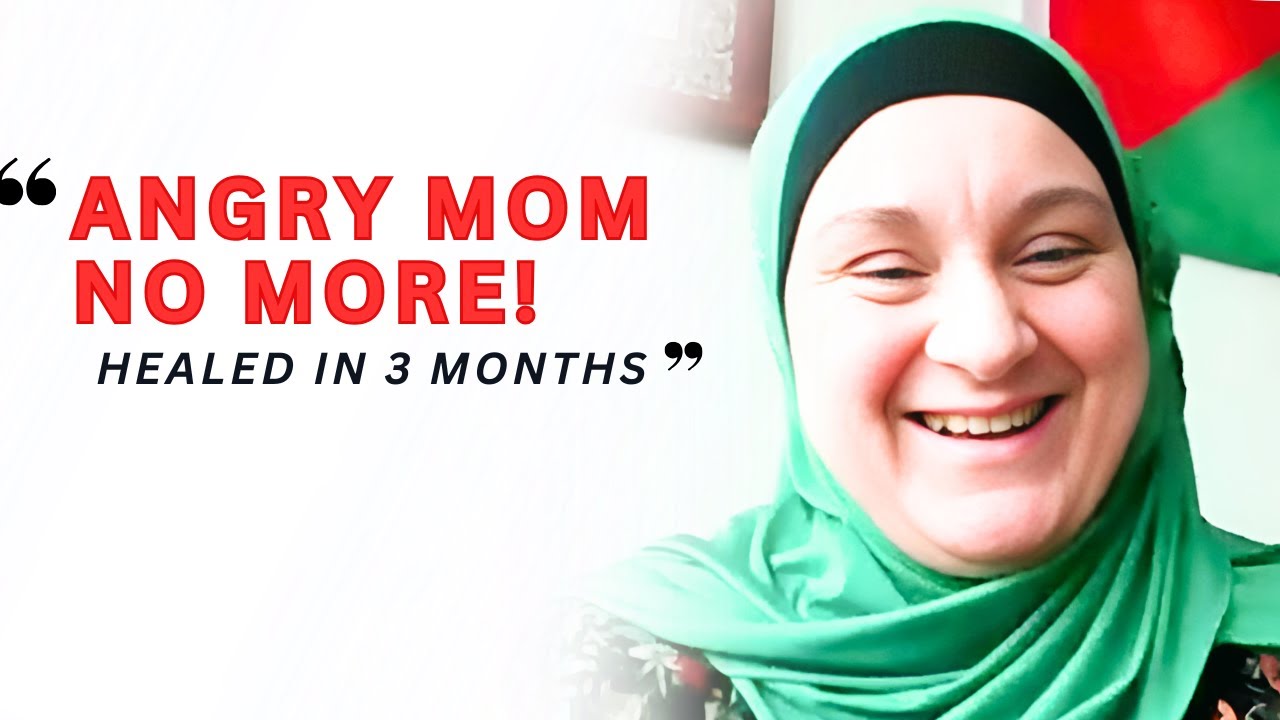
From Angry Mom to Zen Expat: Healing Trauma & Finding Joy - Inspirational Interview Series (E87)
32:04

How Resilience Looks Like: Story of a Woman Who Went Through Hell and Became a Zen Supermom Anyways
35:36
How a Restless, Controlling Mom Stopped Yelling and Starting to Enjoy Being a Mom - in just 3 months
36:46If you’re curious where you fit
Some people recognize themselves immediately.
Others simply notice a sense of relief, or a quiet “this feels different.”
Some take time before anything becomes clear.
All of that is okay.
These experiences are not meant to show you what you should want or how far along you need to be.
They’re here to give you a sense of how this work can be lived, integrated, and experienced – in real lives, over time.
If something here resonated, you don’t need to rush to act on it.
And if nothing landed right now, that doesn’t mean this isn’t relevant for you.
When and if you want to explore further, you already know where to start.
Start with clarity → Mommy Tantrum Masterclass